Synthetic turf is a great option for homeowners looking to play on an environmentally friendly surface that can also withstand the wear and tear of children. Synthetic turf is made from polyethylene, a petroleum-based product that has been around for over 60 years. It was developed in 1954 by General Electric Company (GE) as an alternative to natural grass because it didn’t require water or maintenance as natural grass did. GE sold their rights to Dupont, who then developed their version of synthetic turf called ChemGrass®. This article will cover what you need to know about synthetic turf before installing it at home! Learn more here.
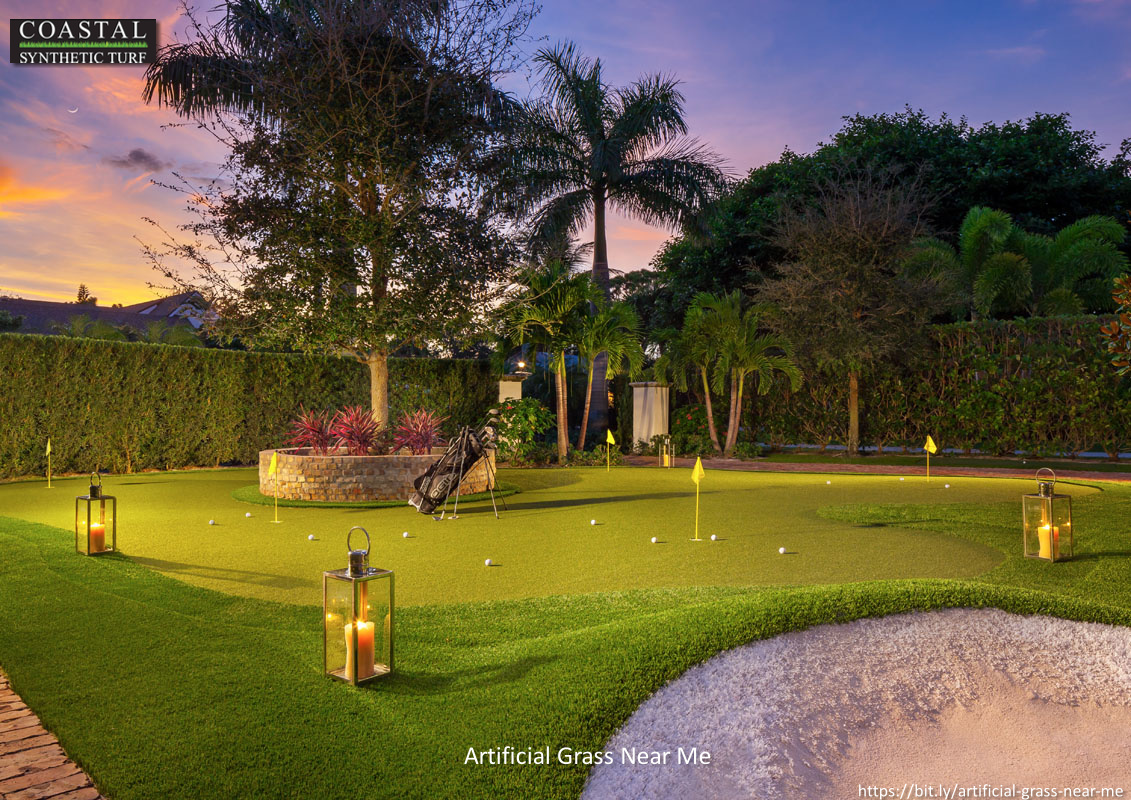
A great way to beautify your home without overloading on chemicals and pesticides. Durable, Affordable, and Environmentally Friendly – Synthetic Turf is one of the latest trends in landscaping solutions for homeowners looking for a beautiful yard while embracing eco-friendly practices. It’s a natural alternative to traditional grass lawns, it’s easy to install and maintain with minimal effort; it’s an attractive option for people who value quality time outdoors but want something more durable than impatiens or other plantings that require daily watering in dry weather. For those living where water conservation is a priority, synthetic turf can help reduce outdoor water use up to 50 percent! It requires less fertilization, too—just two or three applications per year compared with six. Learn more about Synthetic Turf: A Low-Maintenance, Safe Alternative to Natural Grass.
Recent Comments